
ChatGPT Images 2.0: OpenAI's #1 Ranked AI Image Model
OpenAI's ChatGPT Images 2.0 brings reasoning to AI image generation with 99% text accuracy and topped Image Arena by 242 points. DALL-E retires May 12.
Read Article →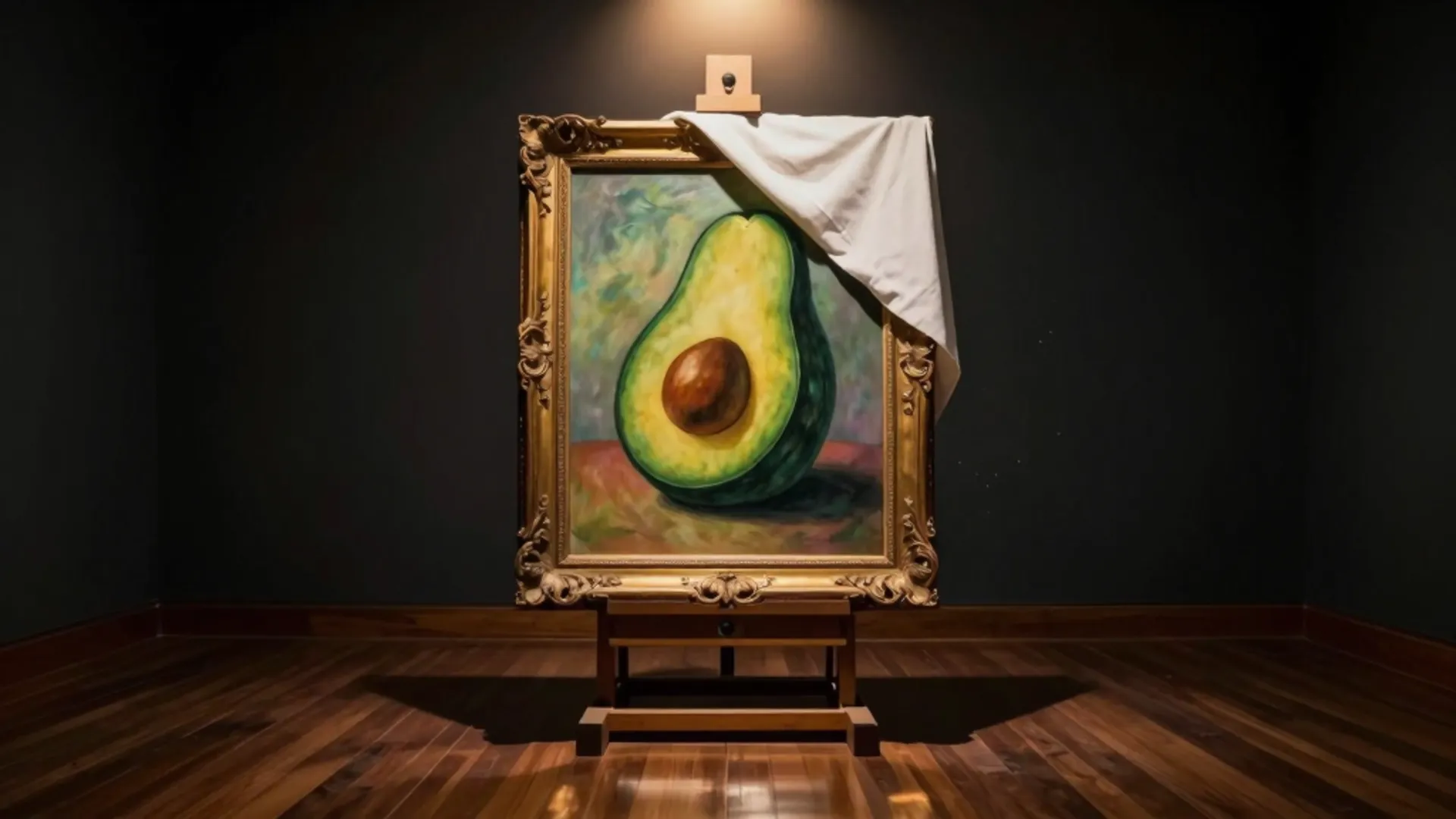
DALL-E shut down for good on August 30, 2026. OpenAI retired the official DALL-E GPT inside ChatGPT today, the last DALL-E product the company still operated, and pointed users to ChatGPT Images as the replacement. The API versions, DALL-E 2 and DALL-E 3, were already switched off on May 12. With the GPT gone, the name that introduced most of the world to AI image generation no longer exists as anything you can use.
OpenAI announced the retirement quietly, in a ChatGPT release note published on July 31. There’s no farewell blog post and no archive plan beyond a plain recommendation: download the images you want to keep, because OpenAI hasn’t said what happens to the ones left behind.
The retirement itself is small. The official DALL-E GPT was a legacy doorway inside ChatGPT’s GPT directory, kept alive for people who preferred prompting the old model directly after ChatGPT switched its default image generator to newer models. OpenAI flagged the change in its July 31 release notes, gave users 30 days, and removed it on schedule.
What makes the date matter is what it closes out. DALL-E hasn’t been ChatGPT’s default image tool since March 2025, when native GPT-4o image generation took over. The API models followed this spring: OpenAI announced their deprecation in November 2025 and shut down DALL-E 2 and DALL-E 3 on May 12, 2026. The GPT was the final surviving piece. As of today, DALL-E is retired everywhere, five years and seven months after OpenAI first showed it off as a research demo.
Anyone opening the GPT now gets redirected to ChatGPT Images instead. Custom GPTs that other users built with image generation enabled keep working, because those already call OpenAI’s current image models rather than DALL-E.
DALL-E didn’t disappear overnight. OpenAI wound it down in stages across a year and a half, and each stage got less attention than the one before it.
The full DALL-E timeline, from research demo to retirement
| Date | Event |
|---|---|
| January 2021 | OpenAI introduces DALL-E as a research preview, generating images from text prompts |
| April 2022 | DALL-E 2 launches and sets off the mainstream AI art boom |
| October 2023 | DALL-E 3 arrives inside ChatGPT, tied to Plus subscriptions |
| March 2025 | Native GPT-4o image generation replaces DALL-E 3 as ChatGPT's default |
| November 2025 | OpenAI announces API deprecation for DALL-E 2 and DALL-E 3 |
| May 12, 2026 | DALL-E 2 and DALL-E 3 shut down in the API |
| July 31, 2026 | Release note announces the DALL-E GPT's retirement |
| August 30, 2026 | The official DALL-E GPT is removed from ChatGPT; DALL-E is fully retired |
The pattern is consolidation. OpenAI stopped building image generation as a separate system that ChatGPT calls like a plugin, and started building it into its main models directly. Once that architecture shipped, every DALL-E surface became redundant, and OpenAI has been clearing them out one by one.
If you generated images with the DALL-E GPT over the years, they’re still attached to your ChatGPT conversations. OpenAI hasn’t published a deletion date for old images, but it also hasn’t promised to keep them, which is why its own guidance is to download anything you care about now.
The process takes a few minutes:
Images generated in a ChatGPT conversation are stored with that conversation. Delete the chat and the images go with it. If you’re cleaning up your history, download first, delete second.
That archive has a resolution problem. DALL-E 2 output is 1024×1024 pixels, and DALL-E 3 didn’t go far beyond it. That was fine for social posts in 2023. It’s tight for printing, thumbnails at modern resolutions, or anything you want to crop into. An AI image upscaler like Upsampler is the practical fix for a saved archive full of low-resolution work.
Upsampler upscales AI-generated images up to 16x with three modes depending on how much detail you want recovered, and pay-as-you-go credits mean you don't need a subscription to process one batch of old DALL-E work.
Upscale Your Images with Upsampler →For anyone still typing prompts into ChatGPT, nothing changes today. Image requests in a normal chat have been handled by newer models since late 2025, and most people stopped touching the DALL-E GPT long ago. That drop in usage is presumably why OpenAI felt safe retiring it with a release note instead of an announcement.
The replacement is ChatGPT Images, which runs on OpenAI’s GPT Image model family rather than a standalone image system. The current flagship, released in April 2026, topped the Image Arena leaderboard at launch. It plans compositions with a reasoning step before generating anything, and its text rendering reaches accuracy DALL-E never approached. Image generation is available on every ChatGPT tier, including free accounts, with the heavier reasoning features reserved for paid plans. Developers who lost DALL-E in the API had a successor in the GPT Image line well before the May shutdown.
On capability, the replacement is simply better. Today’s shutdown removed a brand name and nothing else.
The name deserves a marker on its way out. DALL-E, a mash-up of the Pixar robot WALL-E and Salvador Dalí, appeared in January 2021 as a research preview that felt closer to a magic trick than a product. DALL-E 2, in April 2022, is the release that pulled AI image generation into public view: waitlists, avocado armchairs, news segments, and the first wave of arguments about what synthetic images would do to art. Midjourney and Stable Diffusion arrived within months, but for a while, “DALL-E” worked the way “Photoshop” does, a product name standing in for an entire category.
That’s what makes the quiet ending notable. The tool that gave millions of people their first AI-generated image left with a line in a changelog.
This shutdown fits the pattern of OpenAI’s 2026. The company shut down the Sora app in March, folded its video generation into ChatGPT, and has been trimming legacy models from its lineup all year. The strategy reads consistently: one interface, ChatGPT, with generation capabilities built into the core models instead of spread across separate products and brands.
For users, the trade is real on both sides. Consolidation means the free tier now includes image generation that outperforms what Plus subscribers paid for in 2023, with no separate tool to learn. It also means product decisions arrive as release notes, and tools people built habits around can leave on 30 days’ notice. An archive of five years of DALL-E images now depends on how long OpenAI keeps old conversation data reachable.
There’s a competitive angle too. Retiring a recognizable brand only makes sense if you’re confident the replacement holds attention on its own. Google ships image models under the Gemini name while open-weight alternatives improve monthly, and multi-model platforms such as InVideo already treat every generator as a swappable backend. OpenAI is making the same bet from the other direction: ChatGPT itself is the brand that matters, and everything under it is interchangeable plumbing. The Sora app lasted six months as a standalone product before OpenAI folded video generation back into ChatGPT. Nobody should assume the ChatGPT Images name is permanent either. When the next rename lands, it will be in our AI news feed.
InVideo bundles image and video generation across 200+ AI models in one workspace, so the prompts you wrote for DALL-E can produce stills and finished social videos without juggling separate subscriptions.
Try InVideo Free →Yes. OpenAI retired the official DALL-E GPT from ChatGPT on August 30, 2026, and it had already shut down DALL-E 2 and DALL-E 3 in the API on May 12, 2026. No version of DALL-E remains available. Image generation in ChatGPT continues through ChatGPT Images, which runs on OpenAI's newer GPT Image models.
ChatGPT Images replaced DALL-E. It runs on OpenAI's GPT Image model family, generates images natively inside conversations instead of calling a separate model, and is available on every ChatGPT tier including free accounts. The current flagship model, released in April 2026, adds a reasoning step that plans compositions before generating and renders text far more accurately than DALL-E did.
Open ChatGPT and browse your image library or your old conversations with the DALL-E GPT, then open each image and use the download icon. For a full backup, go to Settings, then Data Controls, and request a data export, which arrives by email with your conversation history and generated images included. Download anything you want to keep, because deleting a conversation also deletes the images generated inside it.
OpenAI moved image generation from standalone models into its main GPT models. Since March 2025, ChatGPT has generated images natively rather than calling DALL-E as a separate tool, and the newer GPT Image models outperform DALL-E 3 on text rendering and prompt accuracy. Once the replacement was the default everywhere, OpenAI wound down the remaining DALL-E surfaces: the API models in May 2026 and the DALL-E GPT in August 2026.
Yes, with limits. Image generation through ChatGPT Images is available on all ChatGPT tiers, including free accounts, which get the core model quality. Paid plans starting at $20 per month unlock the heavier features, such as reasoning-driven generation, web search for reference material, and multi-image batches with consistent characters.
ChatGPT Images is the direct successor and the default answer for anyone already in ChatGPT. Beyond OpenAI, the main image generation options in 2026 include Google's Gemini image models, Midjourney, and open-weight models that run locally. For creators who want generation plus finishing tools in one place, platforms like InVideo bundle image and video models with editing, and an upscaler such as Upsampler brings older low-resolution DALL-E output up to modern sizes.
 Featured 6 min read
 OpenAI's ChatGPT Images 2.0 brings reasoning to AI image generation with 99% text accuracy and topped Image Arena by 242 points. DALL-E retires May 12.
Read Article →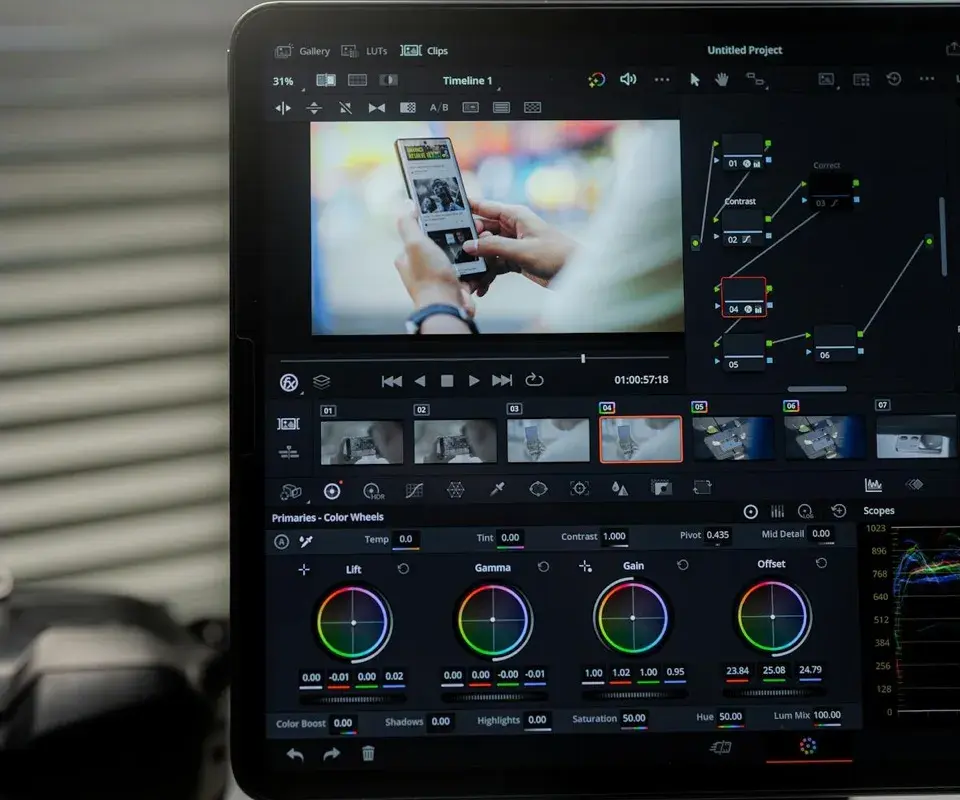
Upsampler AI now runs 6 upscale models, 0.25 to 1 credit/MP, after renaming Smart and Dynamic. A 12.3MP job cost 3 credits. Pay as you go, no subscription.
Read Article → 8 min read
 OpenAI announced Sora's shutdown on March 24, 2026. The app closes April 26 and the API September 24. Why it happened and the best Sora alternatives.
Read Article →